

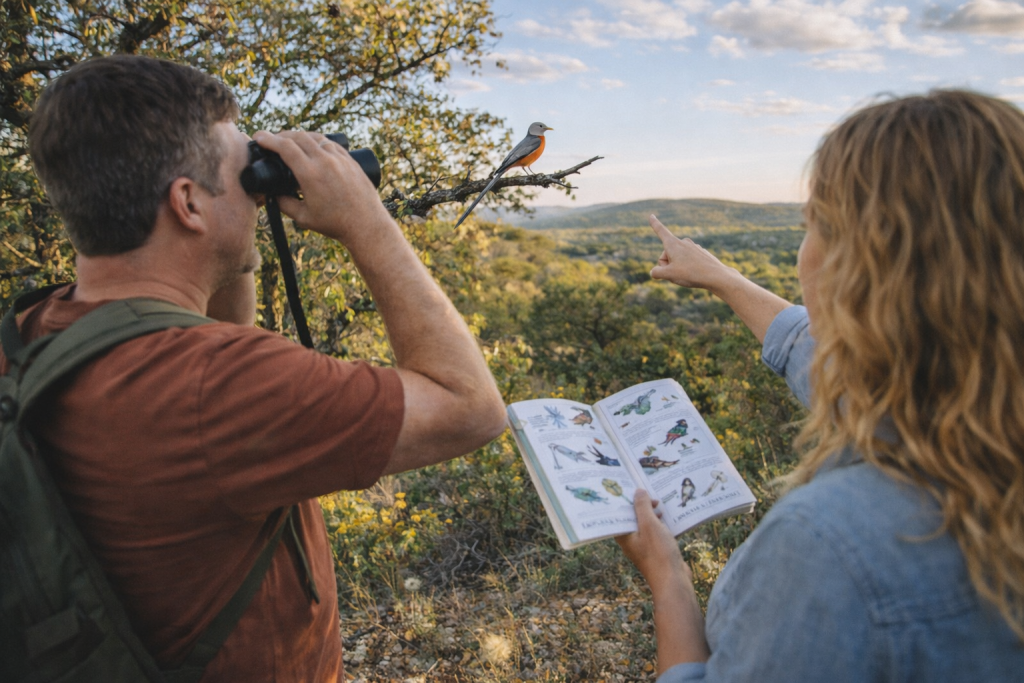
Whether you’re RVing through the heart of Texas or enjoying a weekend getaway with nature in mind, birdwatching in Texas Hill Country offers an experience that’s both peaceful and thrilling. With its diverse habitats and vibrant bird populations, this region is one of the top birding destinations in the country — and it’s the perfect place to dip your toes into this relaxing, awe-inspiring hobby.
From golden-cheeked warblers to painted buntings, the skies and trees are full of color, sound, and movement. But don’t worry — you don’t need to be a pro with binoculars to enjoy it. This guide will walk you through everything a beginner needs to know to get started birdwatching in the Hill Country, right near https://www.txhillcountryresort.com/.
Why Birdwatching Is So Popular in Texas Hill Country
Texas Hill Country is home to over 400 species of birds thanks to its location at the crossroads of several migration paths. Rolling hills, oak woodlands, rivers, and grasslands all come together to create ideal bird habitats. This means you’ll find everything from hawks soaring overhead to tiny hummingbirds darting among the wildflowers.
It’s also a chill way to enjoy the outdoors. You can do it while hiking, sipping coffee on your RV patio, or just strolling a shaded path in the morning. It’s low-pressure and high-reward.
Best Times of Year to Go Birding
Bird activity varies throughout the year. Spring and fall are prime seasons when migratory birds pass through the region. Summer brings its own set of resident species, while winter offers sightings of hawks, sparrows, and some more cold-hardy songbirds.
If you’re planning a stay at the https://www.txhillcountryresort.com/wedding-venues-in-johnson-city-tx/ area, springtime offers the biggest variety — plus the weather’s just about perfect.
Common Birds You’ll See in the Hill Country
Here’s just a sample of what you might spot while birdwatching in Texas Hill Country:
- Golden-cheeked Warbler – An endangered species found only in Central Texas. Listen for its buzzy song.
- Painted Bunting – These rainbow-colored songbirds are a sight to see in the summer.
- Black-chinned Hummingbird – Tiny and quick, they love native plants and feeders.
- Scissor-tailed Flycatcher – Long tail feathers and acrobatic flights.
- Carolina Chickadee – Friendly, easy to spot near feeders.
- Red-shouldered Hawk – Often seen perched along roads or soaring in the sky.
These are just the start. Once you begin tuning into the sounds and shapes of birds, you’ll start noticing more every day.
Where to Go Birdwatching
On Site at Your RV Park
One of the easiest ways to begin is right outside your RV door. The shaded sites, green spaces, and natural landscaping at https://www.txhillcountryresort.com/ create a great setup for casual birding. Set out a chair in the morning with a warm drink and just watch — you’ll be surprised how much life flits by.
Local Nature Trails and Parks
- Pedernales Falls State Park – Just a short drive away, it’s got riverside trails and overlooks ideal for spotting warblers and kingfishers.
- Balcones Canyonlands National Wildlife Refuge – This protected area is one of the best places to see golden-cheeked warblers.
- Lyndon B. Johnson National Historical Park – History meets nature. Trails wind through bird-rich areas.
Birding Tours and Guided Walks
If you want a bit more structure, consider joining a local birdwatching group or tour. Many parks and preserves host beginner-friendly walks, especially during migration seasons. Check nearby visitor centers or local nature conservancies.
What You’ll Need to Start Birdwatching
You really don’t need much to get started:
- Binoculars – Mid-range 8×42 binoculars are perfect for beginners.
- Field Guide or App – Download the Merlin Bird ID app or grab a Texas-specific guidebook.
- Notebook or Journal – Start logging what you see. It’s fun to look back on how your birding skills grow.
- Comfortable Shoes – Because sometimes the best birds require a short hike.
And honestly? A cup of coffee, a little patience, and a willingness to just sit still for a few minutes will get you pretty far.
Tips for Birdwatching Beginners
- Go Early – Mornings are when birds are most active.
- Stay Quiet – Birds spook easily, so minimize noise.
- Look for Movement – Instead of staring at the trees, scan for fluttering or shifting shapes.
- Listen First – Birds often give themselves away by sound. Even if you don’t know the calls, you’ll notice the patterns.
- Be Patient – Some days will be full of sightings, others not so much. That’s part of the magic.
Bird Trails and Scenic Routes Worth Exploring
Texas Hill Country has a network of birding trails that crisscross the region. Check out stops along the Heart of Texas Wildlife Trail for marked viewing spots and interpretive signage. Places like Warbler Vista and Doeskin Ranch are popular with beginner and advanced birders alike.
If you’re exploring by RV with family or a small group, pairing birding with scenic drives is a great combo.
Making Birdwatching a Daily Ritual
One of the best things about birding is how easily it becomes a part of your day. Wake up, brew some coffee, step outside, and just watch the world wake up around you. You don’t have to go far. Even a quick morning check-in from your RV site can turn up a new feathered friend.
For RVers who like a little routine with their relaxation, birdwatching is a calming, rewarding habit to get into.
Bring the Birds to You: Attracting Birds to Your RV Site
You can set up a simple space to welcome birds right to your site:
- Hang a hummingbird feeder with sugar water.
- Use a shallow dish or bowl as a birdbath (refresh daily).
- Place some seed (like sunflower or thistle) in a basic feeder.
- Avoid loud music or bright lights at night so the area stays calm.
It’s like building a tiny nature show outside your window.
Why Birdwatching Is Great for RVers
- It’s low-cost and doesn’t require much gear.
- It gets you outdoors and paying attention to your surroundings.
- It can be done solo or with others — great for couples, kids, or groups.
- It helps you feel connected to nature, especially if you’re traveling a lot.
And in a place like the Hill Country, there’s always something new to see.
Final Thoughts
Birdwatching is one of those hobbies that sneaks up on you. One moment you’re just trying to spot a pretty bird from your RV porch, and the next thing you know you’re flipping through a guide, adjusting your binoculars, and getting real excited about a glimpse of something rare.
If you’re staying at https://www.txhillcountryresort.com/, you’ve already got a front-row seat to some of the best birdwatching in Texas. Add a bit of curiosity, a few quiet mornings, and you’re all set.
FAQs: Beginner Birdwatching in Texas Hill Country
What time of day is best for birdwatching?
Early morning is ideal — birds are active and the light is softer.
Do I need binoculars to start birdwatching?
They help, but you can start without them. Just pay attention to movement and sound.
Where can I find birds near TX Hill Country Resort?
You’ll find birds right on-site, especially around trees and open areas. Nearby parks and trails also offer great sightings.
Are there any rare birds in the area?
Yes! The golden-cheeked warbler is an endangered species unique to this part of Texas.
Can kids enjoy birdwatching too?
Absolutely. It’s a great way for kids to connect with nature and learn patience.
For more outdoor fun, peaceful stays, and access to Texas wildlife, plan your visit to https://www.txhillcountryresort.com/wedding-venues-in-johnson-city-tx/ and experience why the Hill Country is a birder’s paradise.
